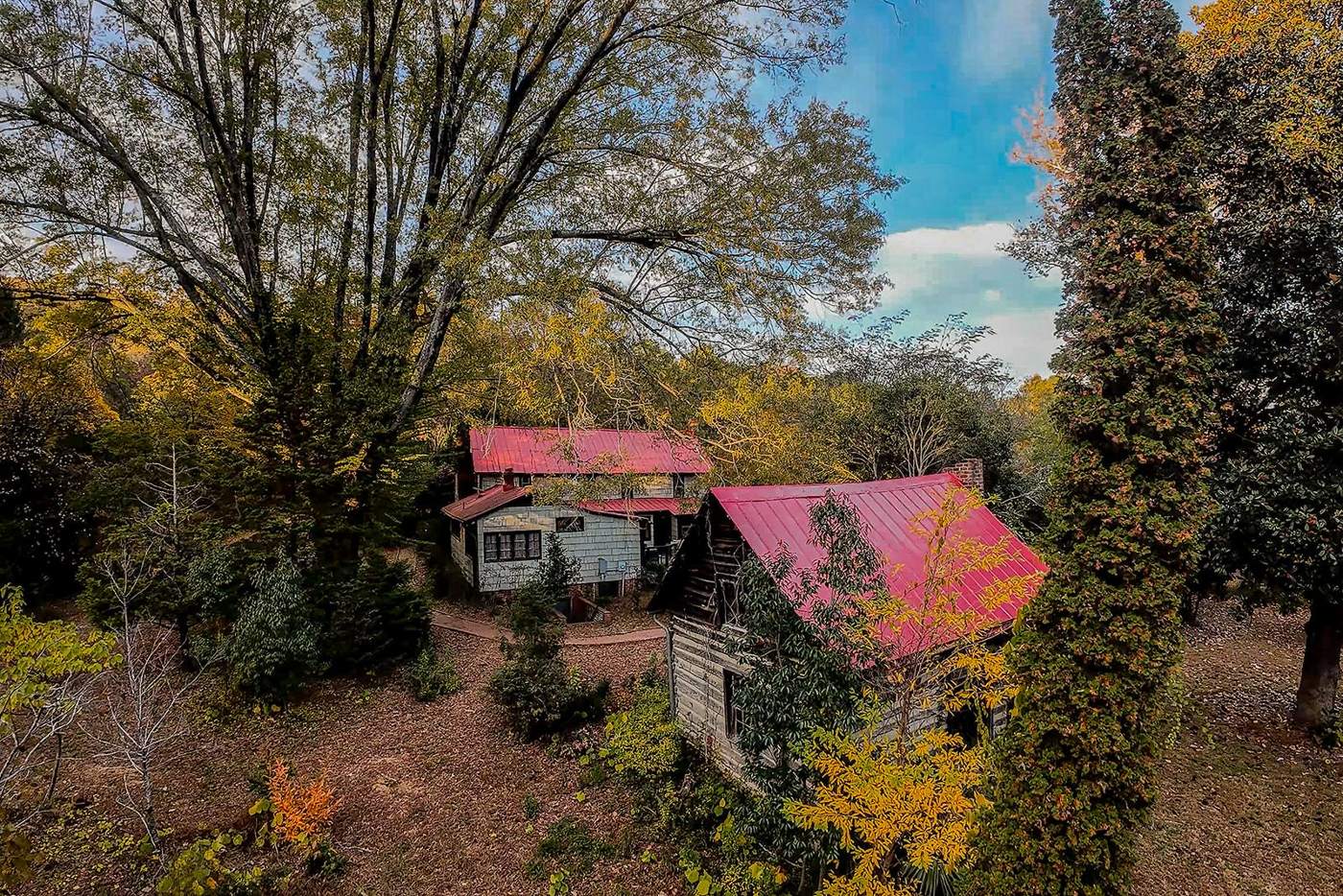
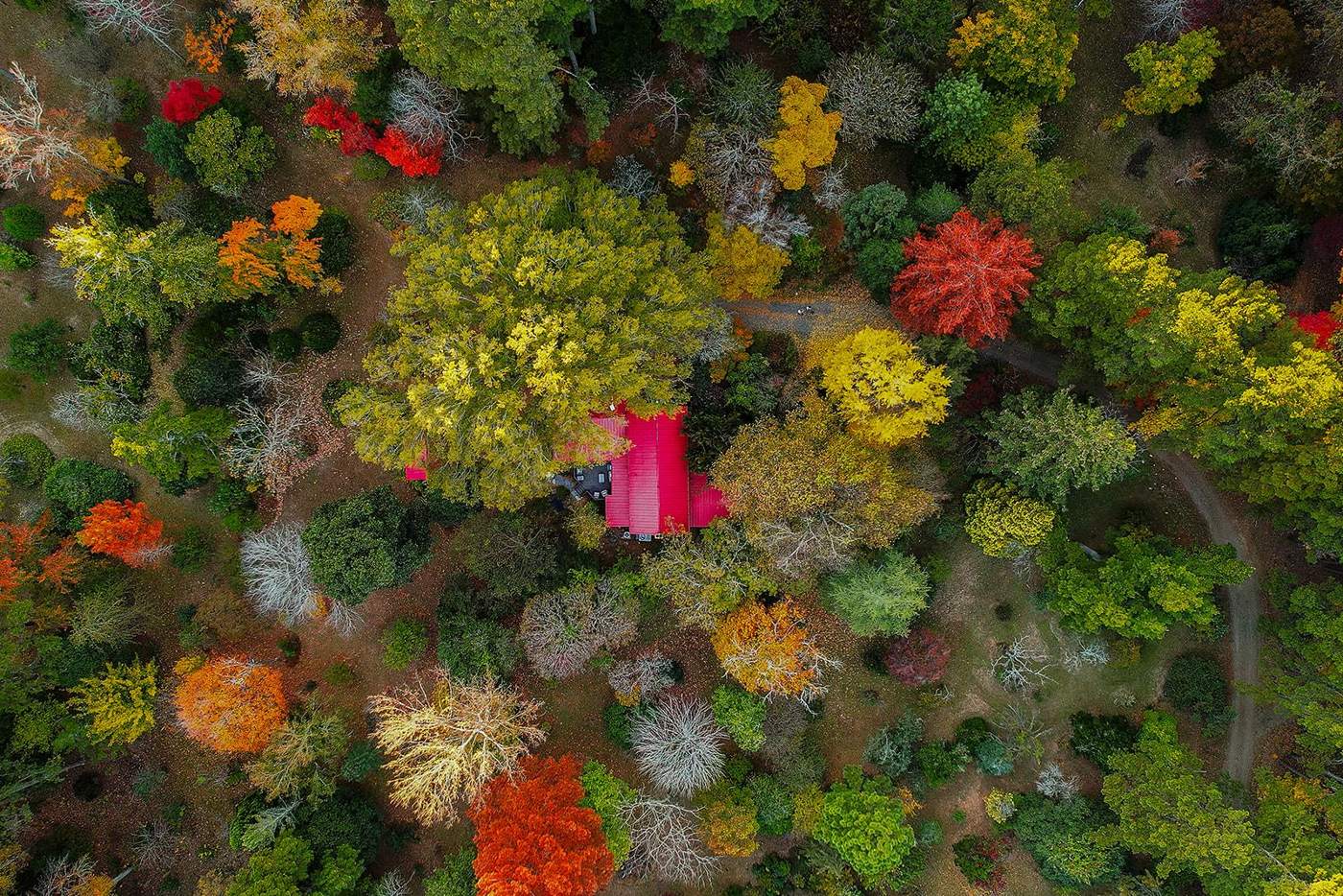
Photographs by Fifty Two Hundred Photo + Film Autumn canopy of the Keith Collection seen from directly above, with the red roof of the farmhouse among gold, orange and green trees
Bingham Township · Orange County, North Carolina

Fifty years of trees around an old farmhouse

Dr. Charles Keith spent four decades planting trees from every temperate corner of the world on a Piedmont hillside northwest of Chapel Hill. This is the story of what he planted, and of the farmhouse at its heart.

In the early 1970s a Duke child psychiatrist named Charles Keith started planting trees beside his wife Barbara's flower beds. He kept going for forty years. By the time he handed the land on, he had planted and tagged more than 3,400 trees and shrubs, many of them species no one had tried in North Carolina.

He planted them to find out what the Piedmont would allow. Some thrived. Many did not. That was the point.

Today the collection and the farmhouse are part of Honeysuckle Farm & Gardens, and the same crew that tends the farm tends the trees.

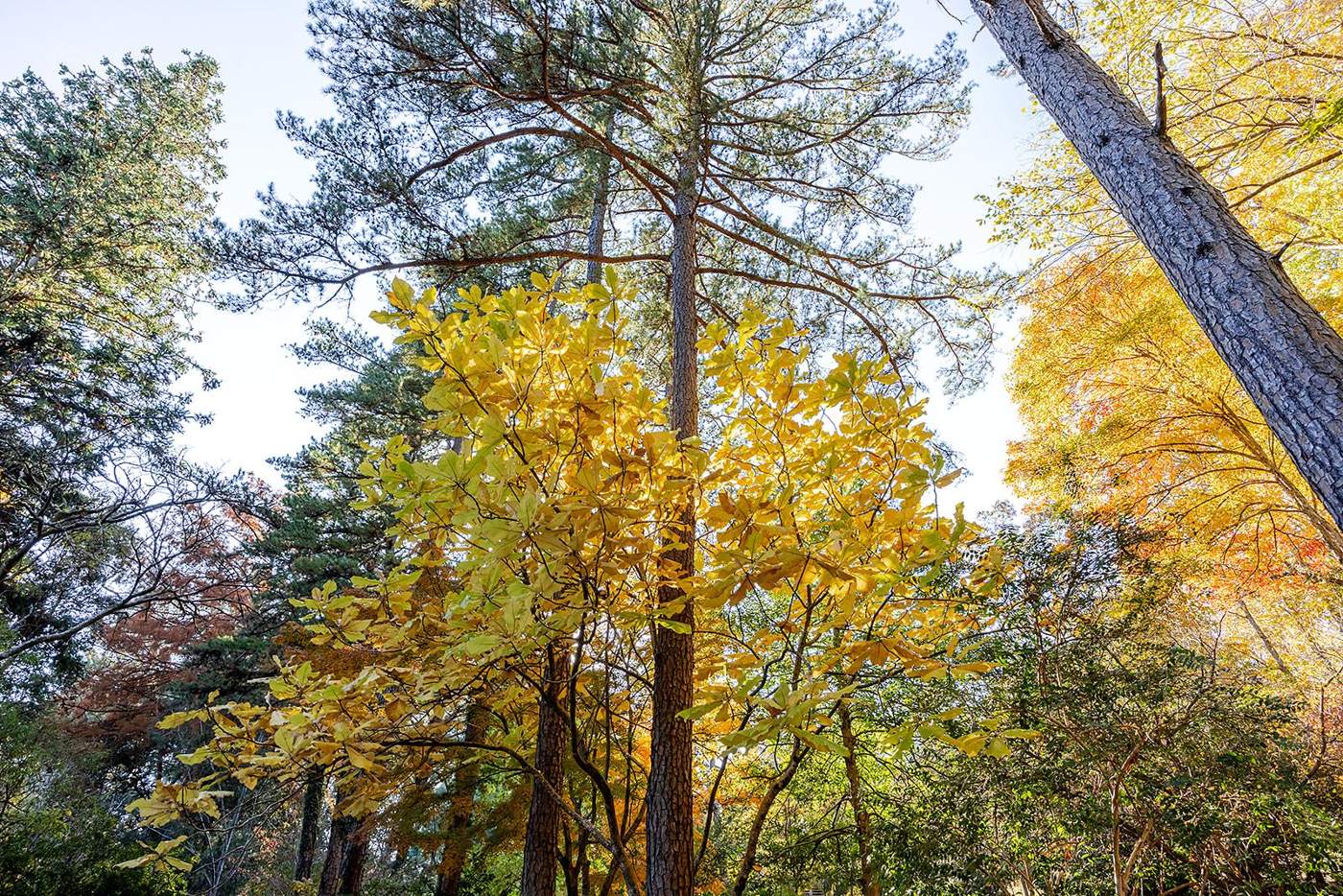
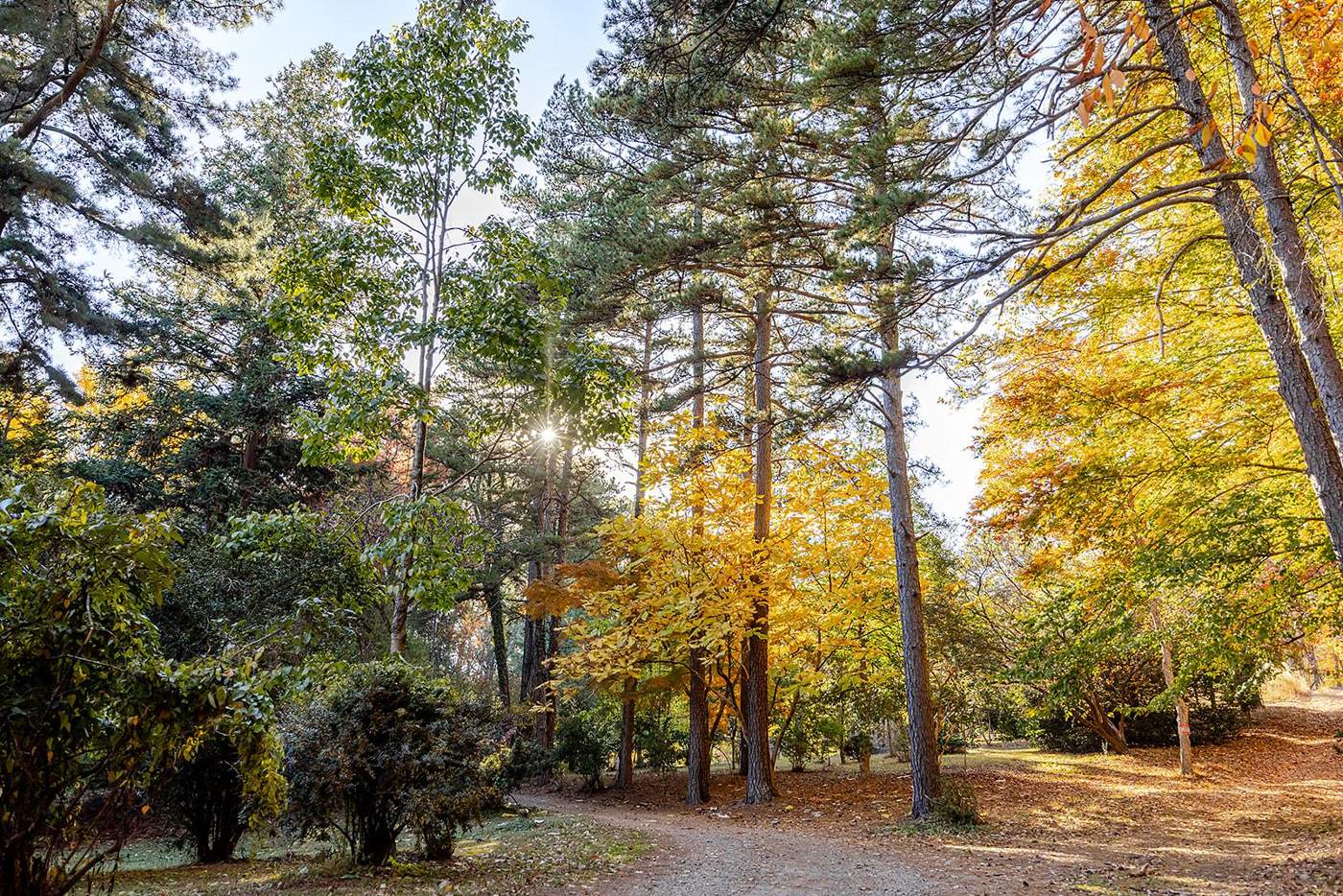
Tall pines and golden broadleaf trees along a grassy lane in the collection
The Collection3,476 plantings in about 450 genera, each recorded on an aluminum tag in Dr. Keith's hand.
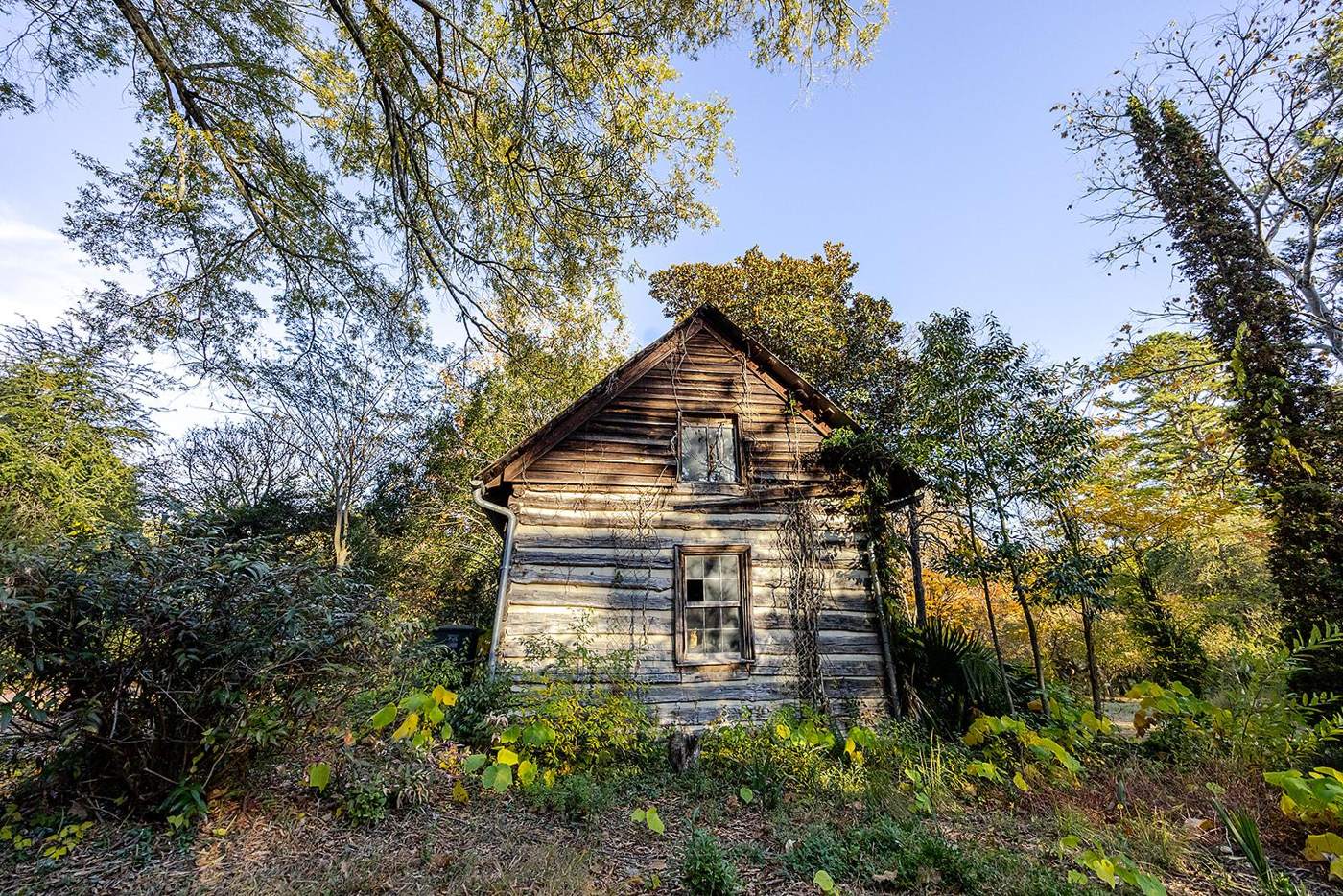
The old log kitchen house among autumn trees
The FarmsteadA log house at the heart of a farmhouse that grew in layers, with the old kitchen, barn and well house still standing.
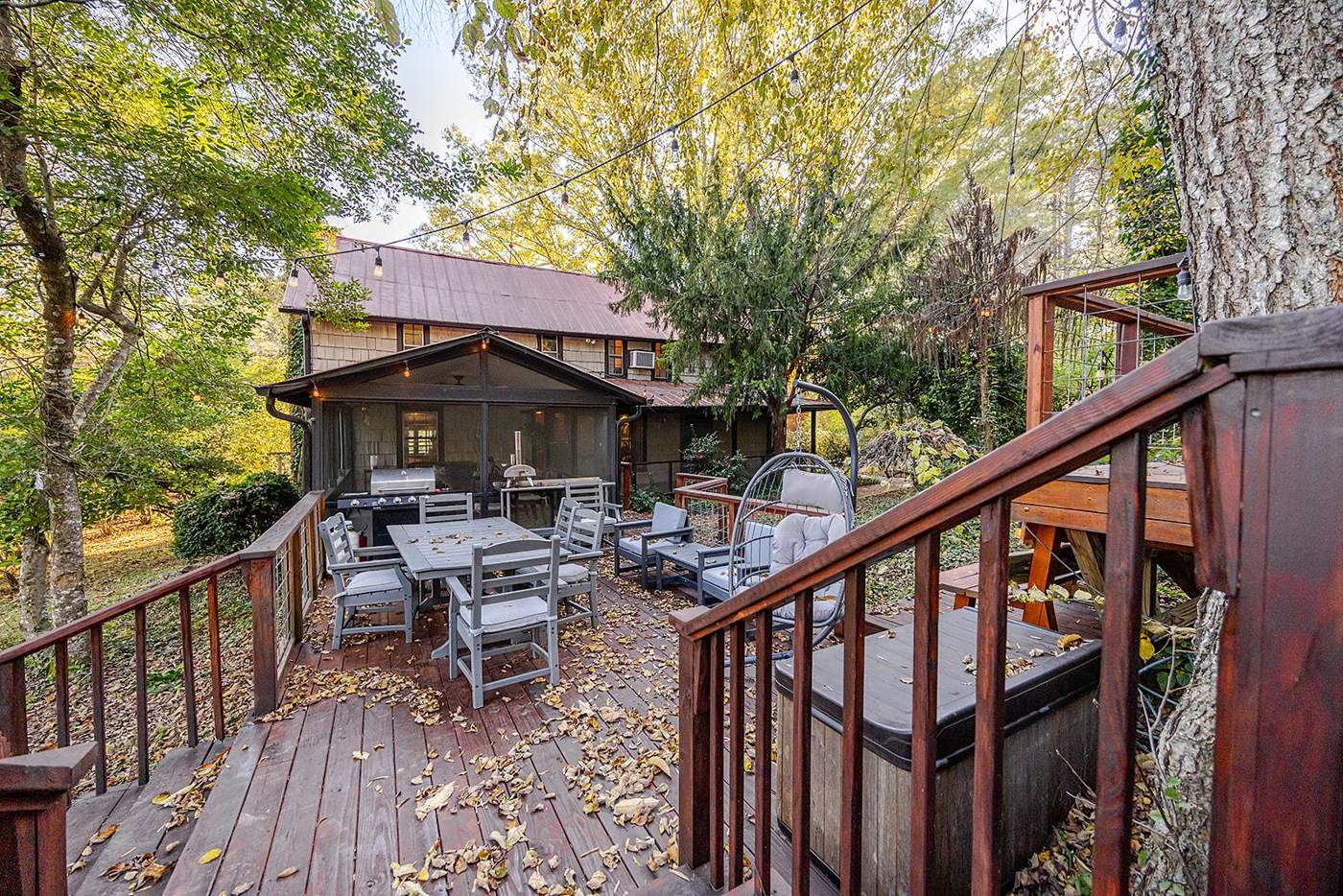
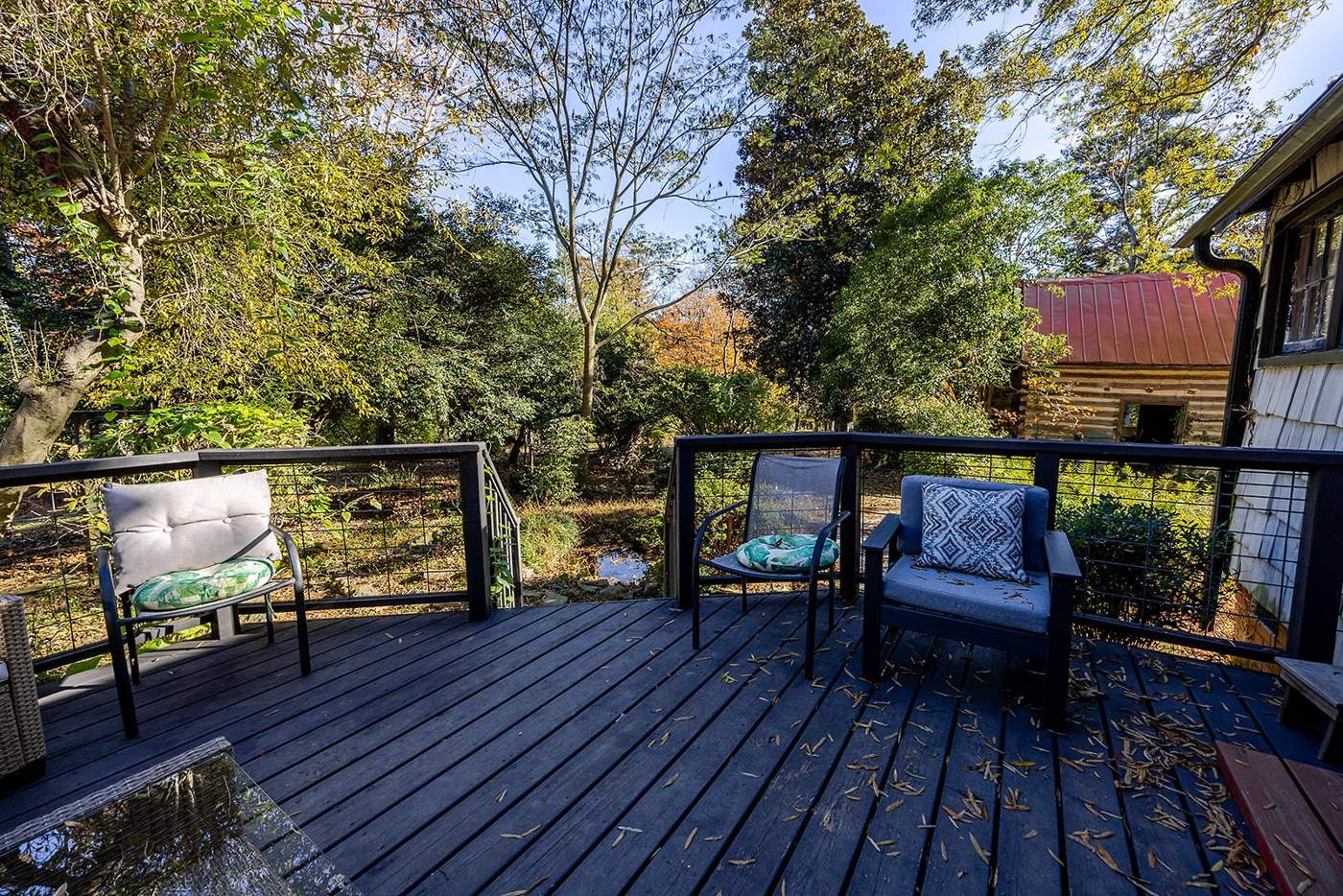
Deck and outdoor dining area behind the farmhouse under fall trees
The StayThe farmhouse is now the Arboretum Cottage, six minutes from The Honeysuckle Tea House.
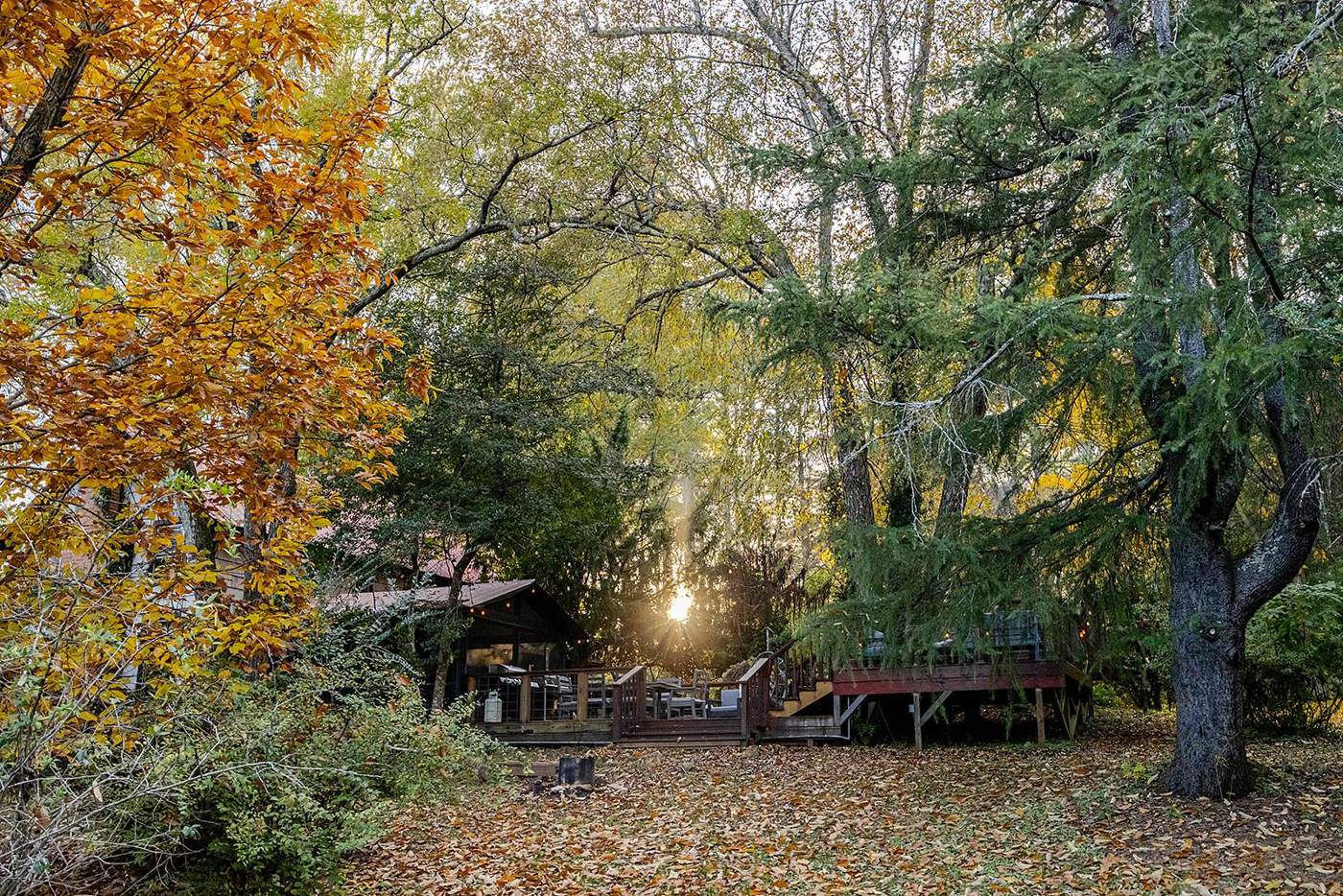
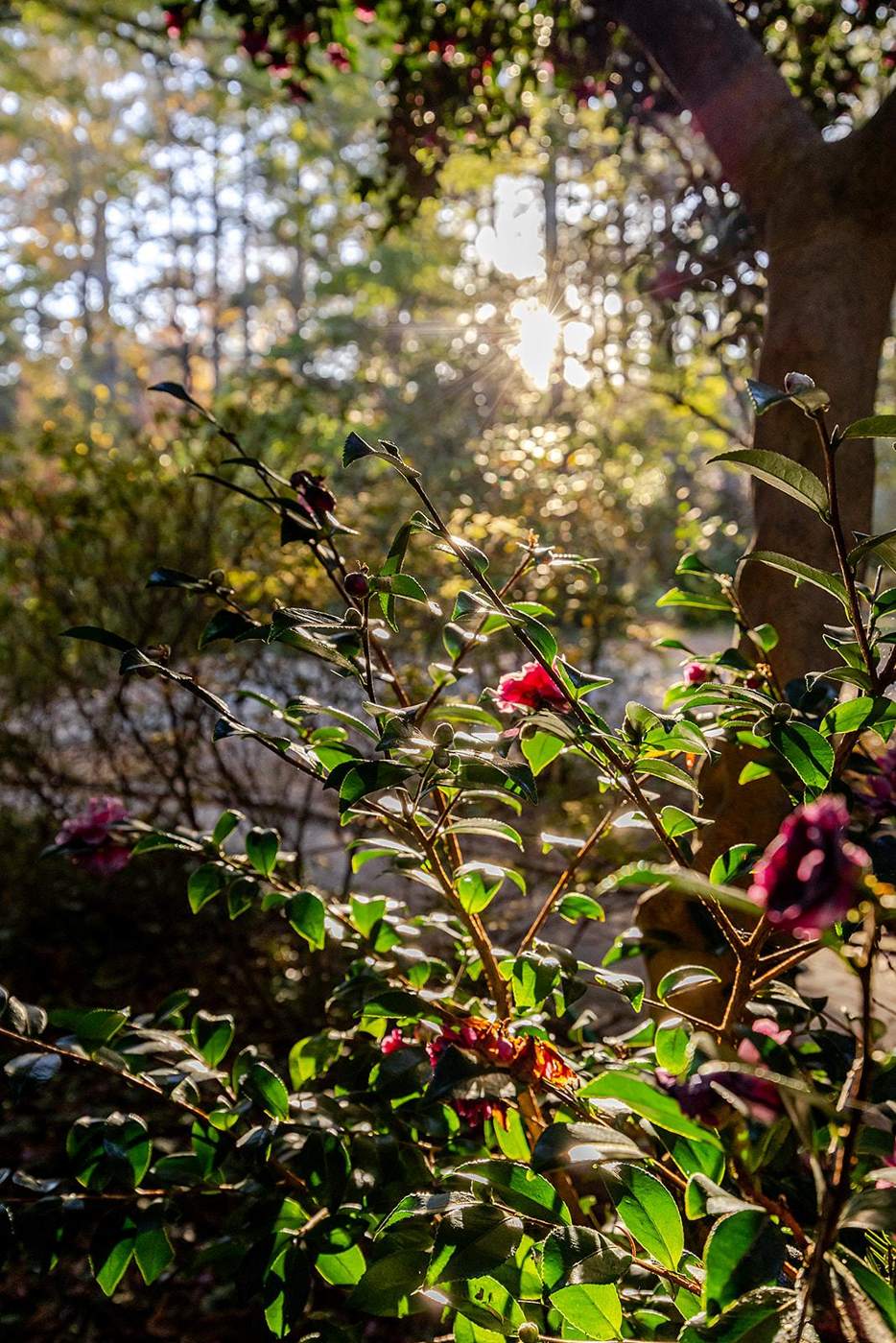
Late sun through the trees across the lawn behind the house
The Collection

Planted to see what would grow

Dr. Keith gathered trees from specialty nurseries, plant explorers and fellow collectors, from Moroccan fir to Texas red oak. He recorded each one on a small aluminum tag bearing its Latin name, and he watered the young ones through droughts with three sprinklers and thousands of feet of hose. His notes describe about sixty-five watering sites, marked with bamboo stakes and red tape.

An international collection set out in Piedmont clay, heat and drought was always an experiment. The losses are part of what it teaches.

Why we call it a collection

For years this place was known as the Keith Arboretum, and that name is still on the conservation easement and on the sign at the drive. We think collection describes it more honestly. An arboretum is usually an institution, with curators, visiting hours and a research program. This was one man's lifelong collection of trees, and it is now cared for privately on a working farm. The trees are the same either way.
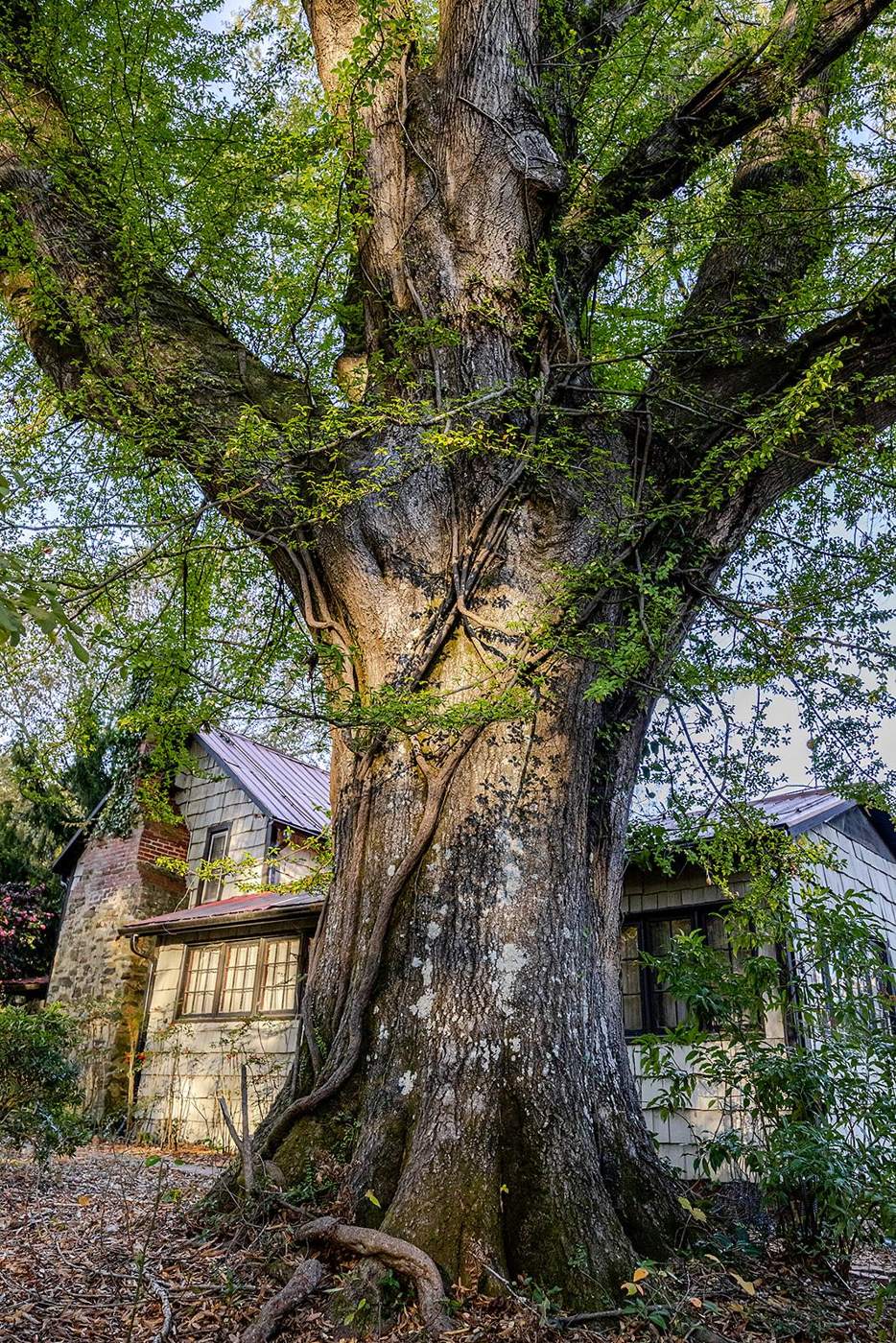
A massive old tree trunk beside the farmhouse
3,476tagged plantings
~3,000species, varieties and cultivars
~450genera
40years of planting

What Dr. Keith planted, from the 2016 survey. These are planting counts, not survival counts. We will not publish a census of what is alive today until the trees have been walked again.

Photographs by Fifty Two Hundred Photo + Film, Durham, North Carolina.

The Tree Map

Every tag, where he planted it

In 2016 an NC State student we hired walked the grounds, found Dr. Keith's tags and recorded each one with sub-meter GPS. Search any name, filter by group, and tap a dot to see what Dr. Keith planted there.

Aerial view of the farmhouse and old log kitchen among the trees
House & Land

A farmhouse that grew in layers

The house began as a log cabin, built in the 1830s by the best estimate. County tax records say 1862, and the building itself has never been dated. A frame house later grew up around the cabin. The old log kitchen, a barn and a well house still stand in the yard.

  • 1830sLog cabin at the heart of the house (estimated)
  • 1963Charles and Barbara Keith buy the farmhouse and about nineteen acres
  • Early 1970sThe first trees go in beside Barbara's perennials
  • 2006Permanent conservation easement with Orange County
  • 2015Dr. Keith hands the collection on and walks its new stewards through it, tree by tree
  • 2017The house and trees join Honeysuckle Farm & Gardens

The easement means the land can never be subdivided or built over. Its stream runs to Morgan Creek and on to University Lake, Chapel Hill's drinking water. Behind the house rises Pickards Mountain, the second-highest point in Orange County.

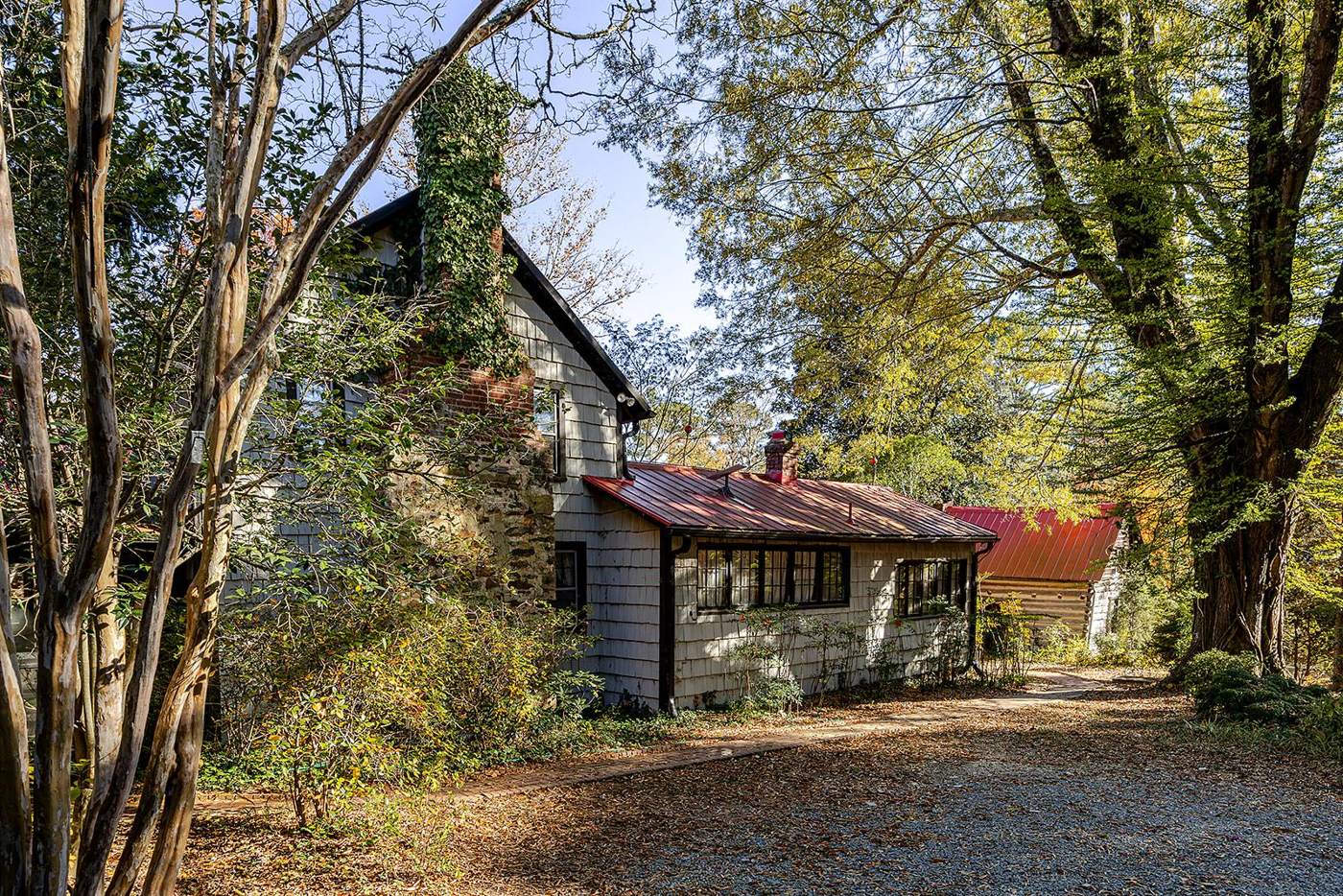
The farmhouse at the end of the gravel drive under tall trees
Today

Part of Honeysuckle Farm & Gardens

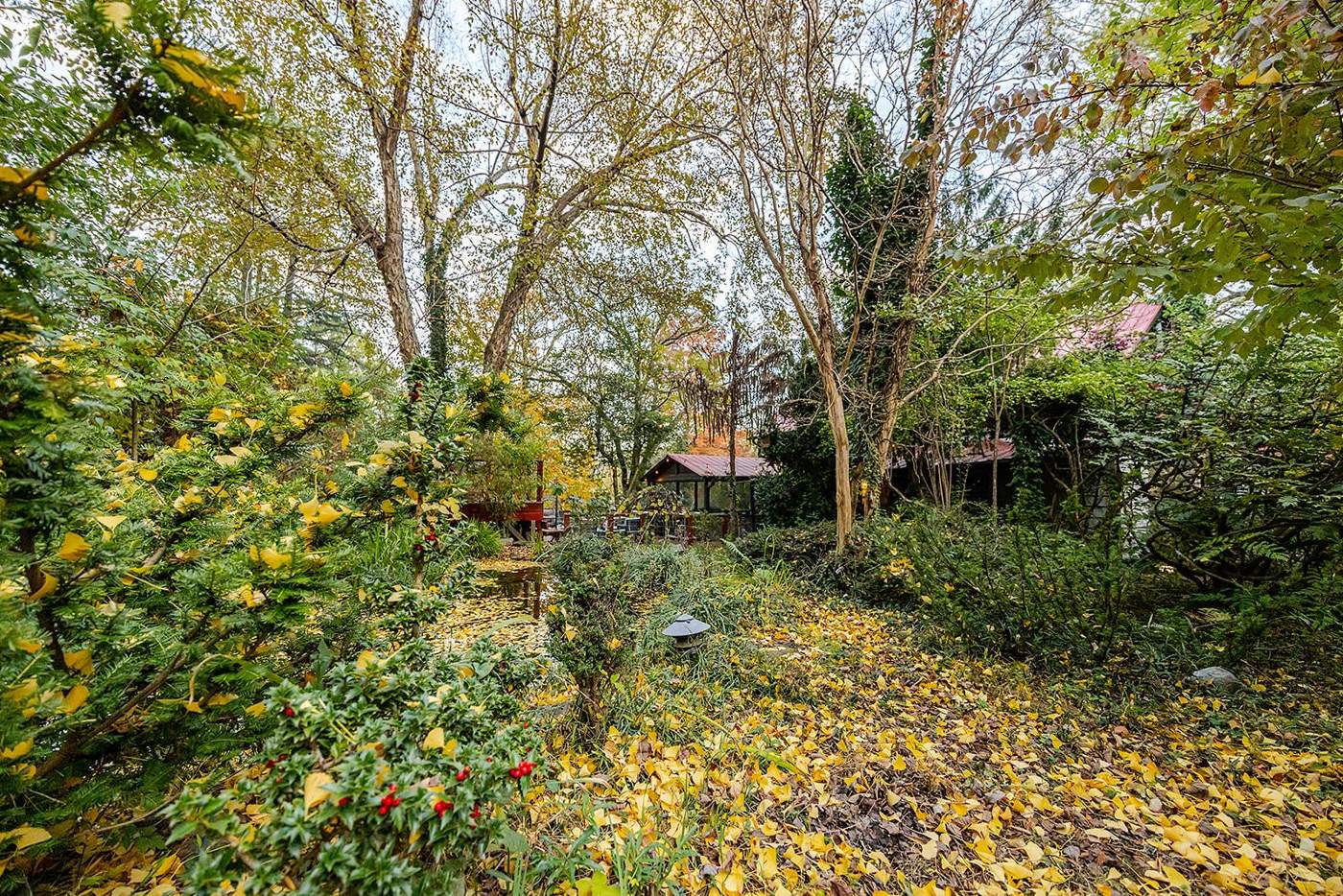
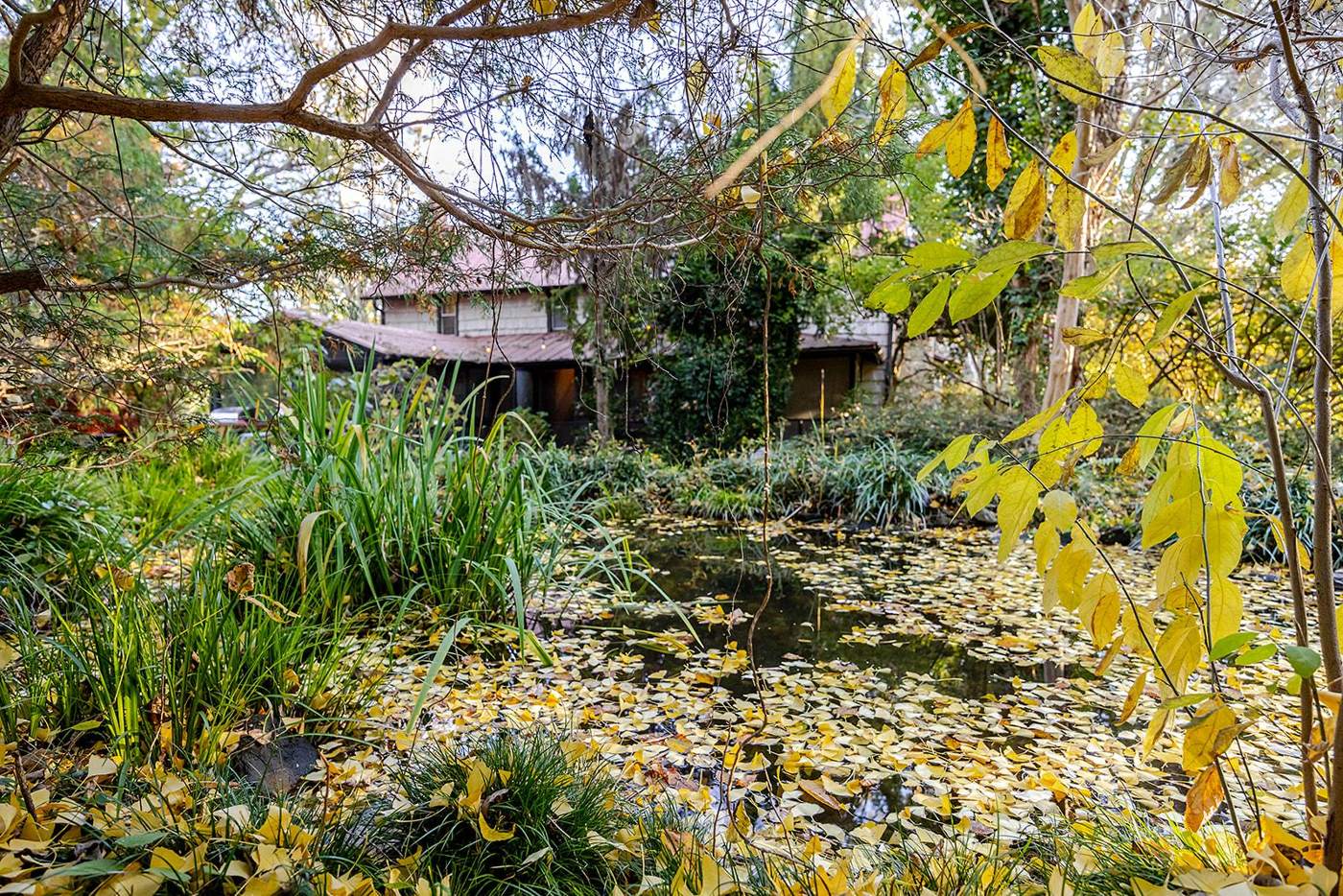
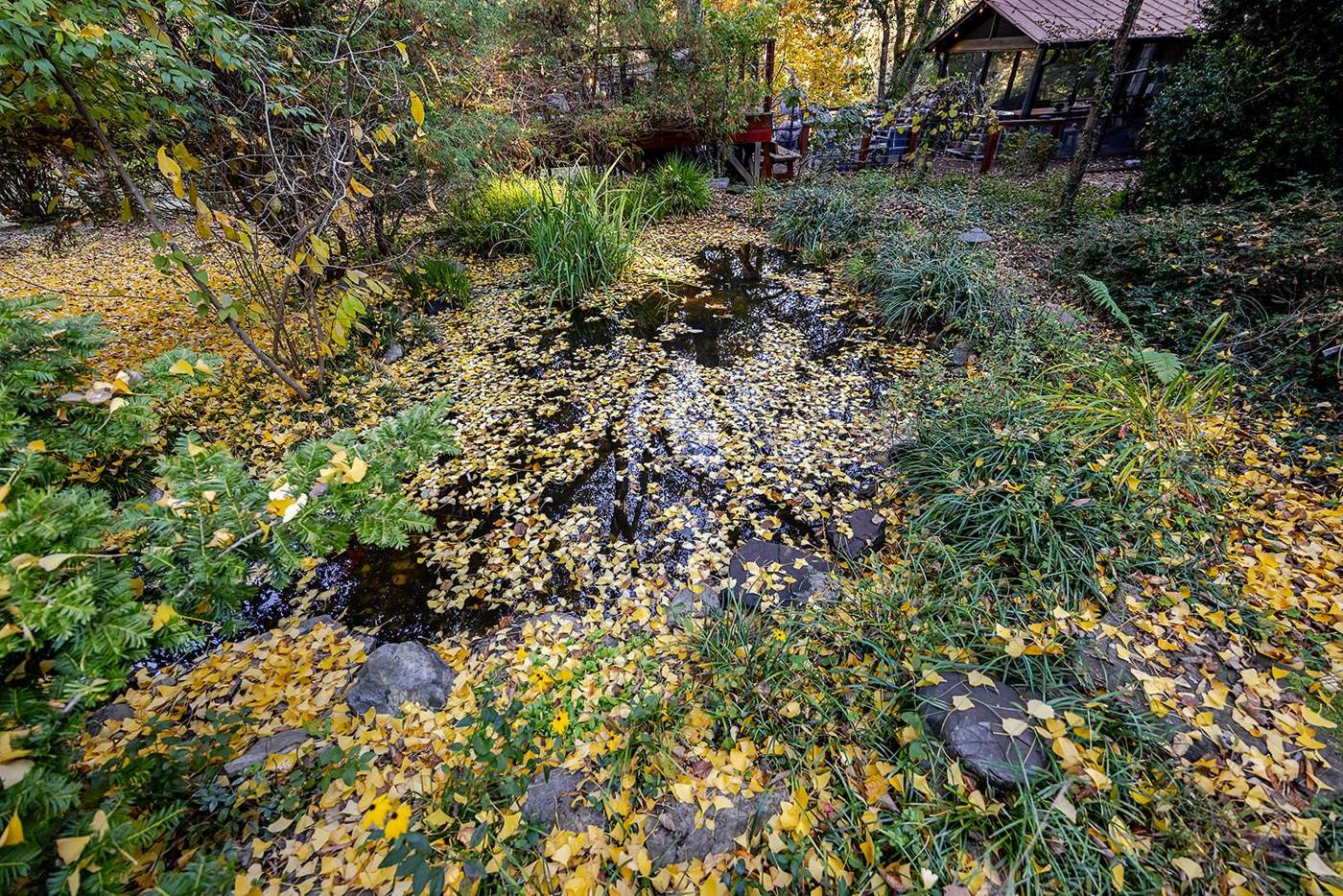
Since 2017 the farmhouse and the collection have been part of Honeysuckle Farm & Gardens. The house was restored room by room in 2021. The koi pond, the labeled trees and Dr. Keith's library stayed where he kept them. The farm crew mows, mulches, prunes and replants, and Bee Downtown keeps hives among the trees.

The Honeysuckle Tea HouseBlue Heeler CoffeeUnion Grove Farm vineyardThe Arboretum Cottage
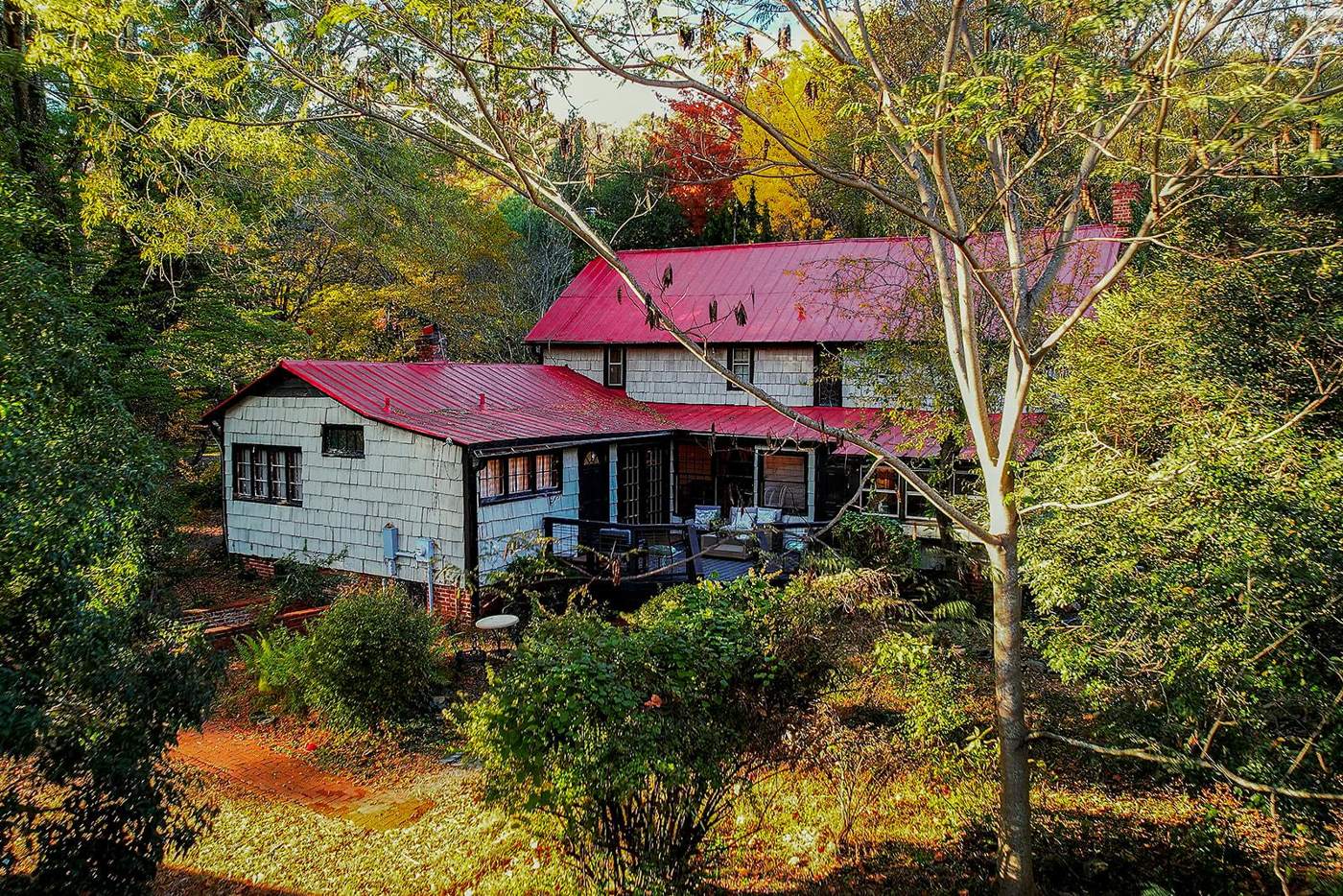
The farmhouse with its red roofs seen from the air in autumn

Stay among the trees

The farmhouse is now the Arboretum Cottage, a five-bedroom historic home for up to nine guests. Walk the collection from dawn to dusk, follow the trail up Pickards Mountain, and wake up to the trees Dr. Keith planted. What guests pay for their stay goes back into caring for the collection and the land.

Deck chairs overlooking the gardens

Gather at The Honeysuckle

Weddings, farm dinners, retreats and seasonal events happen at The Honeysuckle Tea House, six minutes down the road. The cottage is a natural place for family and guests to stay.